What is that shiny wax coating on fruits and vegetables and is it safe?
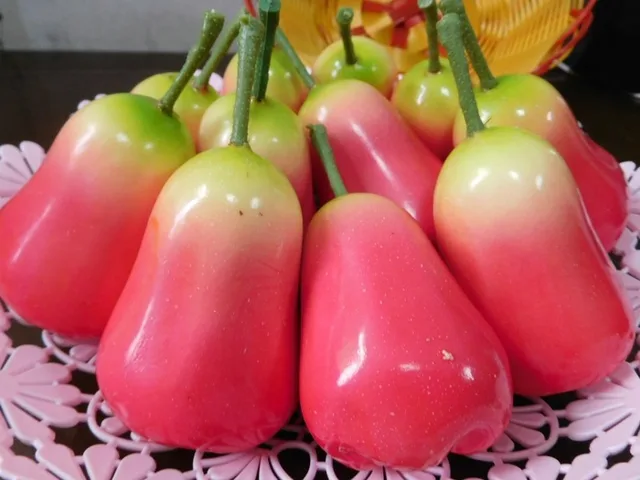
Most fruits and vegetables make their own wax coating which helps to keep the moisture in since many are made up of 80-95 percent water. But this natural waxy coating comes off after produce is washed many times in order to remove dirt and soil before packaging. Farmers then apply a layer of wax coating to their non-organic fruits and vegetables to prevent moisture loss, protect from bruising, and increase shelf life.
Which fruits and vegetables are waxed?
Non-organic fruits and vegetables that are commonly waxed are:
- apples
- bell peppers
- cucumbers
- eggplants
- grapefruits
- lemons
- limes
- oranges
- parsnips
- passion fruit
- peaches
- potatoes
- pumpkins
- rutabagas
- squash
- sweet potatoes
- tomatoes
- turnips
- yucca
recommend buying apples from markets and places where apples are grown if possible. The chances that the farmers have not waxed apples will be good there. It is also a better idea to buy the dull apples that are fresh, without any kind of artificial coating. More importantly, it is always a good practice to clean apples with lukewarm water thoroughly before eating. Also, you may use a paper towel with some vinegar (acetic acid) to wipe the apple before washing.
Unfortunately, the only way right now to remove the wax compound from your non-organic produce is to peel off the outer skin. Make sure to remove only a thin layer leaving in tact the many vitamins and minerals right below the skin.
 blog
blog 